
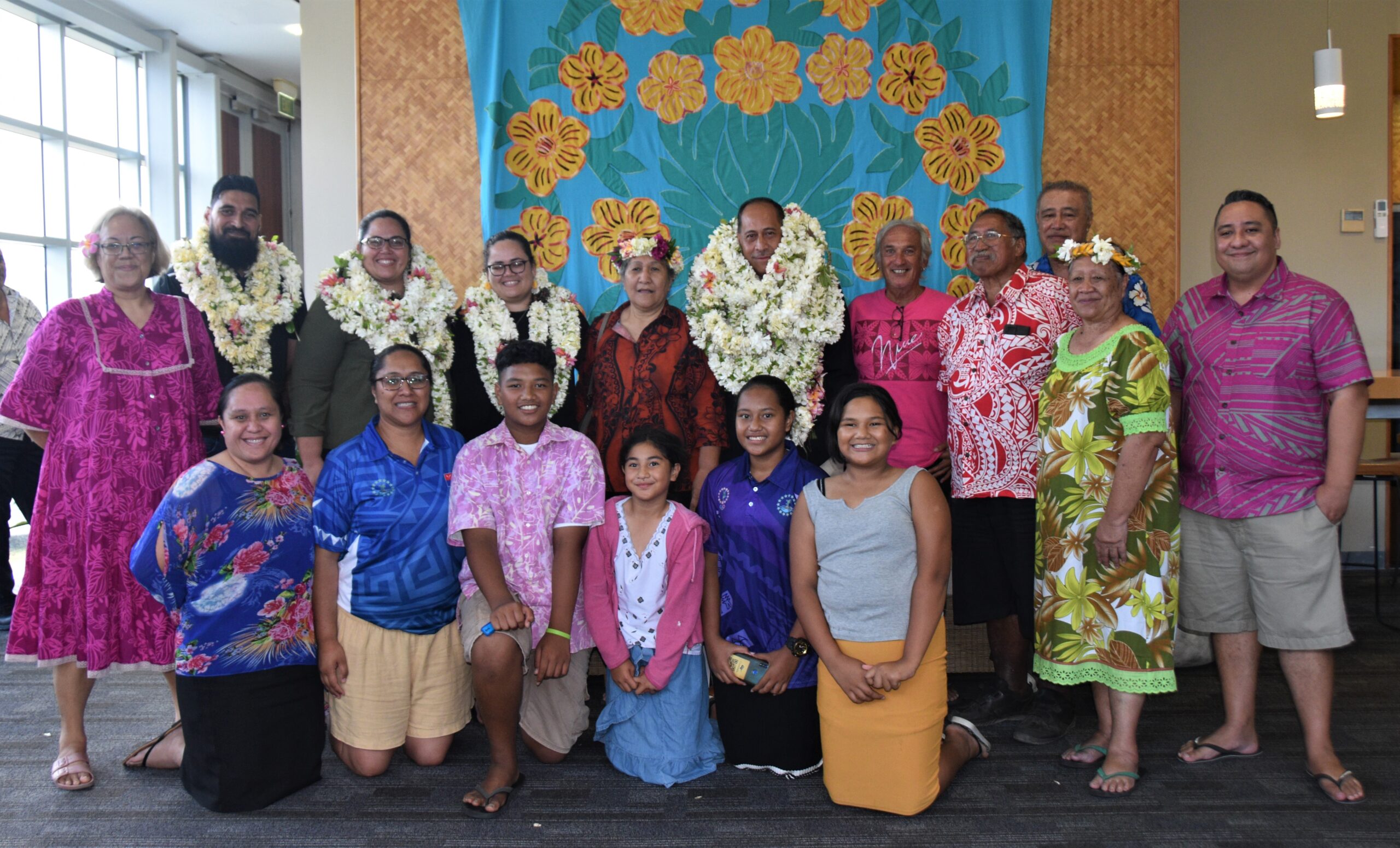
Empowering Islands: The Importance of Community Work in Island Regions
Island communities are often characterized by their unique cultures, close-knit populations, and reliance on the natural environment. The importance of island community work community projects in vanuatu and similar initiatives around the world cannot be overstated. These projects play a pivotal role in strengthening the social fabric of island communities, promoting sustainable practices, and ensuring that the voices of local residents are heard. This article delves into the various aspects of community work in island settings, exploring its significance, challenges, and success stories.
The Unique Challenges of Island Communities
Island communities face a variety of challenges that can impact their livelihood, sustainability, and social cohesion. Geographically isolated, these communities often lack access to resources that are readily available on the mainland. This can lead to issues such as limited economic opportunities, reduced access to education and healthcare, and vulnerability to climate change. For instance, rising sea levels pose a significant threat to many small island nations, leading to loss of land and resources that are vital for their survival.
Moreover, the cultural heritage of these regions is at risk as globalization and external influences permeate their borders. It is within this context that community work becomes imperative, acting as a catalyst for empowerment, resilience, and sustainable development. Through engaging with local residents, organizations can help address these diverse challenges while fostering collaboration and innovation.
Building Community Through Local Initiatives
Community work encompasses a wide range of activities aimed at improving the quality of life for local residents. These initiatives are often designed to address specific issues pertinent to island life, such as environmental conservation, education, health, and cultural preservation. Local organizations and volunteers play a crucial role in developing and implementing these projects, ensuring that they reflect the needs and aspirations of the community.
One successful model for community work in island regions is the establishment of cooperative ventures. By pooling resources and efforts, residents can create sustainable businesses that not only provide economic opportunities but also promote social cohesion. For example, artisanal fishing cooperatives can ensure fair wages for fishermen while safeguarding traditional practices and protecting marine biodiversity.
Environmental Sustainability and Conservation
Given their ecological fragility, island communities are at the forefront of conservation efforts. Community work often focuses on environmental sustainability, ensuring that natural resources are managed wisely for future generations. Projects may include reforestation, waste management initiatives, and the promotion of sustainable farming practices. By involving local residents in these efforts, communities can cultivate a sense of stewardship for their environment and empower individuals to take an active role in preserving their natural heritage.
An example of successful environmental community work can be seen in the initiatives aimed at protecting coral reefs. Collaborations between local fishermen, environmental organizations, and government agencies have led to the establishment of marine protected areas, which are crucial for maintaining biodiversity and enhancing fisheries. Involving the community in these conservation efforts not only provides economic benefits but also fosters a deeper connection to the marine ecosystem.
The Role of Education and Capacity Building
Education plays a fundamental role in community work on islands. By focusing on capacity building, local initiatives can ensure that residents are equipped with the knowledge and skills necessary to address their own challenges. Educational programs may revolve around topics such as sustainable agriculture, entrepreneurship, health, and environmental stewardship.
Community learning centers have emerged as vital hubs for education in many island regions. These centers provide training, resources, and a space for collaboration, allowing residents to come together and share their experiences. By empowering individuals with skills and knowledge, these initiatives can lead to long-term positive change within the community.

Involving Youth in Community Work
The involvement of youth in community work is essential for the sustainability and future of island communities. Engaging young people in local initiatives not only provides them with valuable skills and experiences, but also ensures the continuation of cultural practices and values. Many successful projects focus on youth leadership, encouraging young individuals to take on active roles in their communities.
For example, youth-led environmental campaigns can mobilize the community to participate in beach clean-ups, tree planting, and awareness raising about climate change. These actions not only benefit the environment but also help instill a sense of pride and responsibility among young people for their homeland.
Collaborations and Partnerships
Successful community work often hinges on the ability to forge partnerships among various stakeholders. Collaboration with local governments, NGOs, and businesses can enhance the impact of community projects and ensure a more comprehensive approach to addressing local issues. By working together, these entities can share resources, knowledge, and expertise, leading to more effective outcomes.
For instance, a partnership between a local government and an environmental NGO can result in the implementation of policies that support sustainable development and conservation efforts. These collaborations can also foster a sense of unity within the community, as various groups work towards common goals.
Success Stories from Island Communities
Across the globe, there are many inspiring success stories of community work in island regions. From Vanuatu to the Maldives, local initiatives have demonstrated resilience, creativity, and a commitment to sustainability. In Vanuatu, for example, community-driven projects have successfully restored traditional farming practices, ensuring food security and preservation of cultural heritage.
In the Caribbean, several island nations have established community-based tourism initiatives that empower local residents while promoting cultural appreciation and environmental conservation. These projects have not only boosted local economies but have also fostered pride in cultural identity among residents.
Conclusion
The work being done in island communities serves as a powerful reminder of the impact that grassroots initiatives can have on social, economic, and environmental outcomes. Through unity, collaboration, and a focus on sustainability, these communities are paving the way for a brighter future. Community work embodies the resilience and strength of island populations, proving that even in the face of challenges, together they can create meaningful change.
As we continue to navigate complex global issues, the lessons learned from island communities highlight the importance of localized approaches and the value of community engagement. By supporting and promoting local initiatives, we can contribute to a more equitable and sustainable world for all.
