
Effortlessly Convert PNG to WebP with Our Online Tool
If you’ve ever worked with images on the web, you may have come across different formats such as PNG and WebP. Understanding how to convert PNG to WebP can save you time, storage space, and improve your website’s loading speed. With our png to webp converter https://easy-converter.com/en/tools/images/png-to-webp, this process has never been easier. In this article, we’ll explore the benefits of WebP format, the conversion process, and tips for optimizing your images for the best performance.
Understanding Image Formats: PNG vs. WebP
PNG (Portable Network Graphics) is a popular raster graphics file format that supports lossless data compression. It’s great for images that require transparency and crisp edges, such as logos and icons. However, PNGs can be larger in file size compared to other formats, which can impact website loading speed.
WebP is a relatively new image format developed by Google. It provides superior lossless and lossy compression for images on the web, offering smaller file sizes without significantly sacrificing quality. This can lead to faster load times and improved performance for websites, making it an ideal choice for web developers and designers.
Why Convert PNG to WebP?
There are several compelling reasons to convert your PNG files to WebP format:
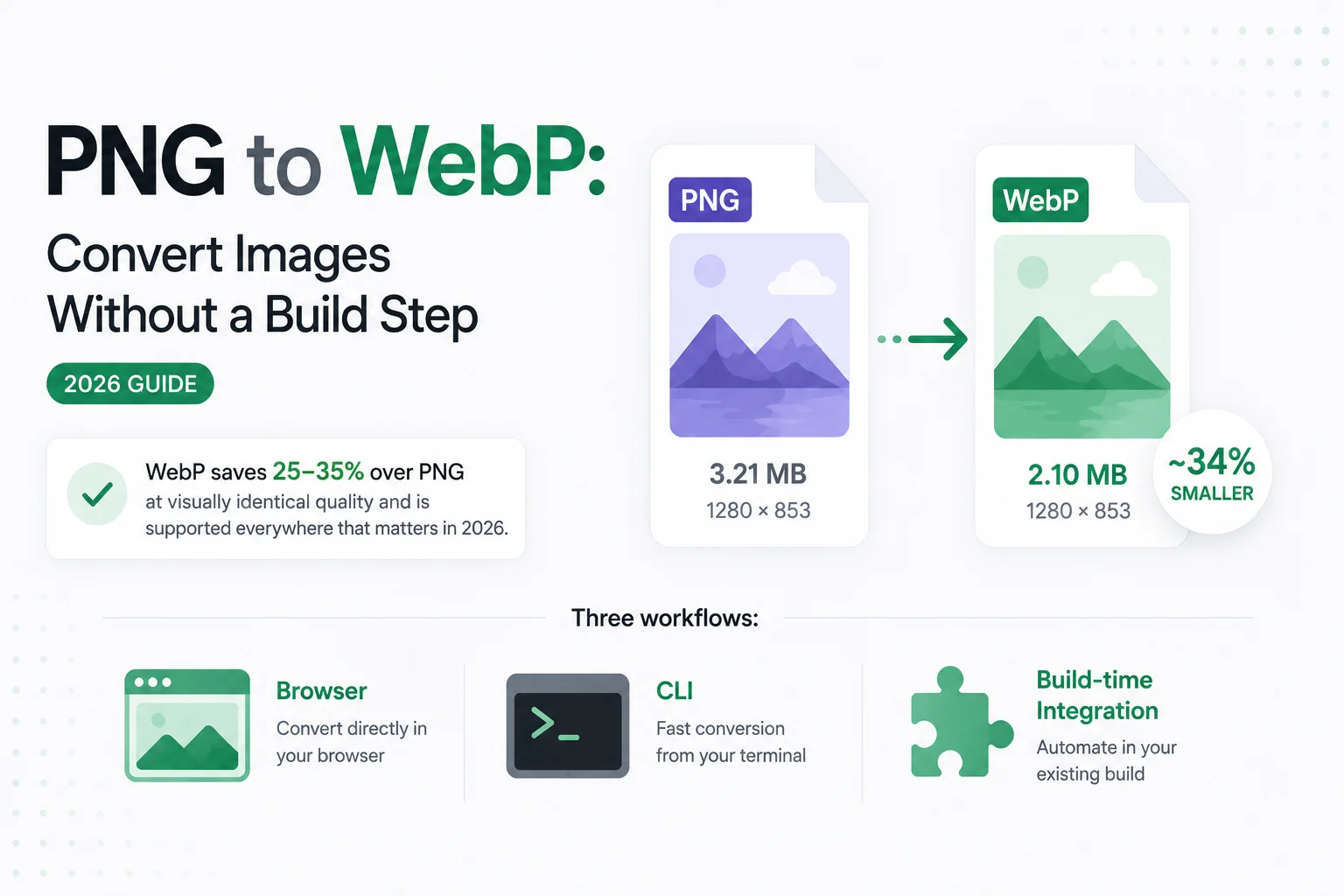
- Reduced File Size: WebP images are often significantly smaller than their PNG counterparts, which can lead to less bandwidth usage and faster load times.
- Improved Performance: Faster-loading images enhance user experience and can positively impact your site’s SEO rankings. Google considers page speed in its ranking algorithms.
- Transparency and Animation: WebP supports transparency like PNG and can also support animation, making it a versatile choice for various applications.
- Browser Compatibility: Most modern browsers support WebP format, making it a safe choice for web-related projects.
The Process of Converting PNG to WebP
Converting images from PNG to WebP can be done in a few simple steps with our online converter:
- Upload Your PNG Image: Start by selecting the PNG file you want to convert. Our tool supports multiple uploads at once.
- Select Output Format: Choose WebP as your desired output format. You can also adjust the quality settings to balance between image quality and file size.
- Convert and Download: Click on the convert button. Once the process is complete, you’ll be able to download your WebP image in just a few seconds.
Tips for Optimizing WebP Images
Once you’ve converted your PNG images to WebP format, consider the following tips for optimizing them further:
- Use Appropriate Quality Settings: While converting, find a balance between quality and file size. Lower quality can significantly reduce file size, but too much compression may reduce the image’s visual appeal.
- Implement Lazy Loading: For large pages with many images, consider lazy loading so that images are only loaded when they enter the viewport. This further reduces initial load times.
- Utilize Responsive Images: Use the responsive image feature in HTML (the `srcset` attribute) to serve appropriately sized images based on the device viewing your site.
- Leverage Browser Caching: Set caching policies on your web server to ensure that returning visitors don’t have to re-download images, further improving load times.
Common Questions About PNG to WebP Conversion
Is WebP supported by all browsers?
While WebP is widely supported in modern browsers like Chrome, Firefox, and Edge, it’s essential to check compatibility for specific versions, particularly for older browsers. In cases of incompatibility, consider providing fallback options in PNG format.
Will converting to WebP affect image quality?
When using our converter, you can choose settings that best fit your needs. Lossless conversions maintain exact image quality but may not provide as much size reduction as lossy conversions, which may have a minor quality impact.
Can I convert multiple images at once?
Yes! Our PNG to WebP converter supports batch conversions, allowing you to upload and convert several images in one go, saving you time and effort.
Conclusion
Converting PNG images to WebP format is a simple yet effective way to enhance your website’s performance. With the benefits of smaller file sizes and improved loading speeds, switching to WebP can make a significant impact on user experience and SEO. Make sure to leverage tools like our PNG to WebP converter for a hassle-free conversion process. Start optimizing your images today and stay ahead in the competitive digital landscape.
